
To make rapid progress at many of today’s critical innovation frontiers – such as green energy, carbon capture and drug discovery – innovators must be able to build on each other’s discoveries. Yet, considerable research shows that the scientists, startups and technology firms working at such frontiers face persistent challenges to building on the progress of their peers. One challenge stems from competitive relationships among inventors, which may prevent them from sharing solutions with each other. Another challenge stems from the dispersion of valuable knowledge across multiple domains, making it difficult for inventors to locate the solutions they need. My research identifies how under these conditions, skilled technical workers who span research programs can nonetheless foster forms of knowledge sharing that accelerate nascent technology trajectories.
This focus exemplifies my approach as a scholar of innovation and an ethnographer of work and occupations. My research brings into focus the contributions of an influential but often-overlooked occupational group: those workers who steward the tools that anchor a community’s attempts to innovate. As a trained ethnographer, I leverage these accounts of everyday work to advance theoretical discussions around knowledge diffusion, recombinant innovation, and the cumulative growth of knowledge in emerging technology domains. Two manuscripts exemplify this focus.

Craft Knowledge and Recombinant Innovation
In this paper, I identify the patterned ways in which technical occupations that oversee a field’s core materials and tools engage in recombinant innovation between the different domains they serve.
This manuscript is in preparation.
I presented this work at the TIM Division’s Dissertation Award Finalists Showcase at the 2024 Academy of Management annual meeting.
Abstract: The recombination of knowledge is fundamental to technology-based innovation, yet studies show that inventors often struggle to recognize and exploit opportunities for recombination present in their fields. In this paper, I show how potent forms of knowledge recombination can nonetheless occur through the work of the specialized and often overlooked technical occupations that steward the materials, instruments, and techniques that inventors have in common. As stewards of core research tools, these ideal-typical “technicians”* shepherd the early stages of many, diverse R&D projects. This positions them to facilitate knowledge recombination across nascent innovation domains. But little is known about the characteristic ways in which those in technician roles foster recombinant innovation, and how their contributions differ from those of inventors traditionally considered in theories of recombination.
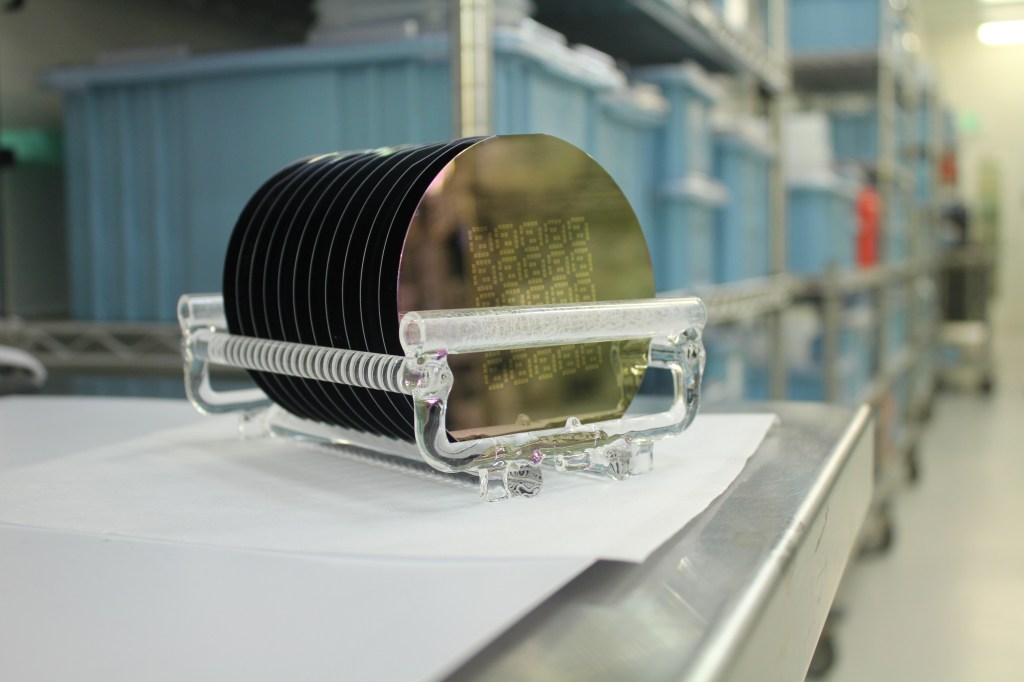
To examine this question, I draw on a multi-year ethnographic study of four facilities that make the tools of nanoscale R&D available to researchers in domains as diverse as semiconductor engineering and biotechnology. I draw on ethnographic observations of technicians’ work and sociological theories of craft skill to identify the patterned ways in which technicians at these facilities recognized and exploited opportunities for recombination among the projects they supported. I thereby uncover an important and underrecognized set of pathways for recombinant innovation: pathways not anchored in the concepts and commitments of any one discipline or research domain, but rather resting on pragmatic craft knowledge of materials and tools that underlie the physical capabilities of multiple domains of technological innovation.
* In this usage, the term “technician” serves as an ideal type for occupations that mediate between complex technologies and their users (Barley, 1996). Contrary to the term’s colloquial usage, workers who occupy ideal-typical technician roles today (such as the instrument specialists who participated in this research) hold a range of formal degrees, including advanced academic degrees.

Sharing Solutions without Spilling Secrets
In this paper, I identify how technical intermediaries who steward core R&D tools strive to diffuse valuable knowledge safely in competitive settings.
This paper has an invitation to Revise and Resubmit from Administrative Science Quarterly.
This paper was a finalist for the OMT Louis Pondy Award and received the 2024 Giarratini Rising Star Award from the Industry Studies Association (press release here).
Abstract: The diffusion of knowledge among innovators is vital to progress at technologically complex innovation frontiers. Yet competitive incentives between innovators may prevent them from sharing useful advancements with each other. In this multi-year ethnographic study of three shared R&D facilities in the field of semiconductor research, I examine how concrete solutions to shared problems can nonetheless be safely diffused among innovators through the “safe diffusion strategies” of the technicians* who oversee the R&D tools that innovators have in common. These technicians were unaffiliated with any one innovator but instead with the shared equipment that all innovators had to use. I detail how technicians pursued strategies that leveraged their central role in the division of labor to elicit greater disclosure of effective solutions from secretive innovators, more finely assess the strategic risks of diffusing these solutions, and enable follow-on innovation while reducing these risks. By expanding our understanding of discerning knowledge diffusion in competitive settings to other members of innovation-driven divisions of labor who are less prominent but nonetheless essential to conducting technologically complex R&D, this paper identifies novel pathways for cumulative innovation at competitive, science-driven innovation frontiers.
Solve and Be Seen: Frontline Worker Skill during New Technology Implementation
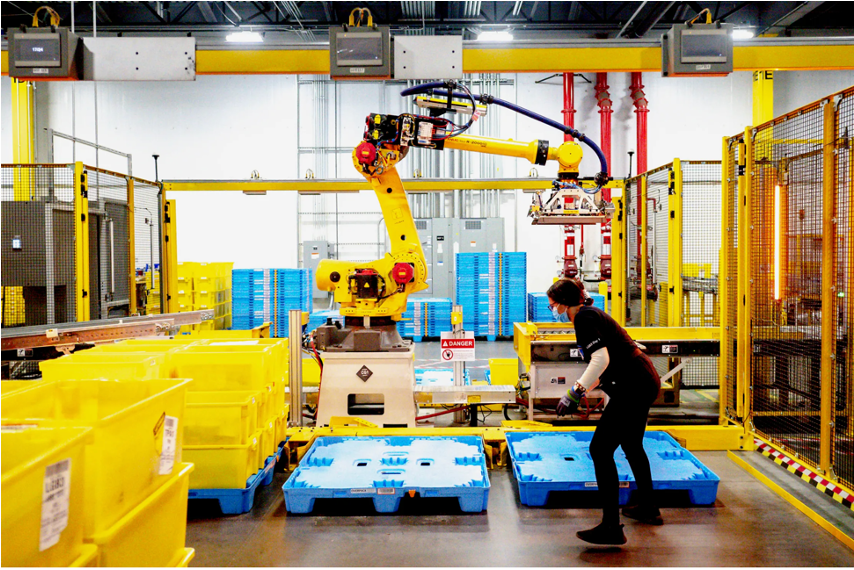
In this paper, my co-authors Matt Beane, Dan Sholler and I identify the often-overlooked ways that frontline workers develop and leverage new skills during the implementation of AI-enabled robotic technologies.
This manuscript has an invitation to Revise and Resubmit at Industrial and Labor Relations Review.
 Danielle Bovenberg